
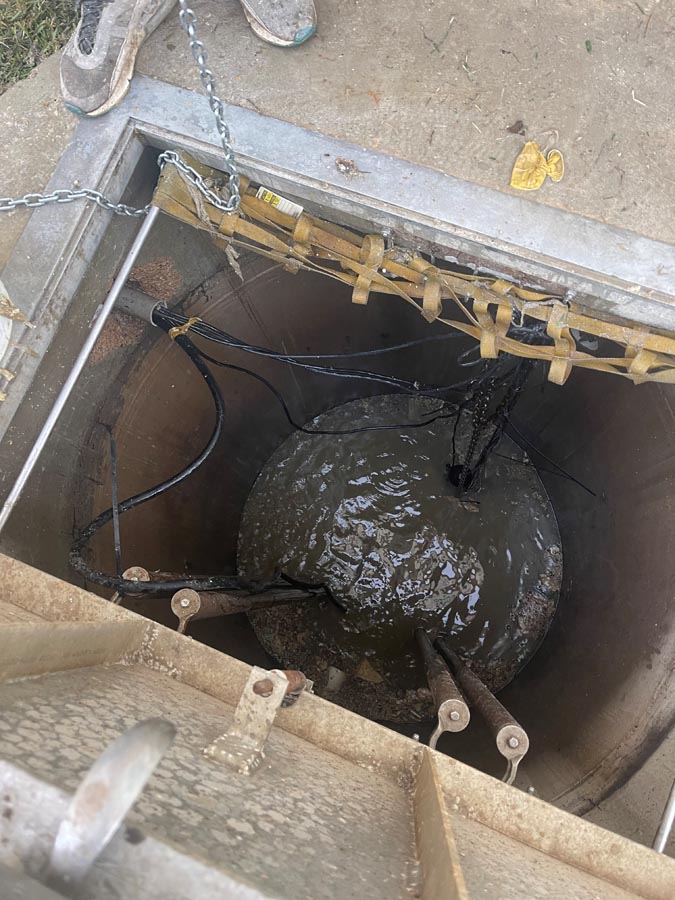
Overview
Spring rain can play a significant role in how grit traps actually function, influencing fill rates, solid separation, and drainage efforts. Affordable Environmental Services’s knowledgeable team shares insights on why wetter weather can accelerate sediment accumulation, lead to heavier runoff, and increase the risk of blockages. This season is a perfect opportunity to properly check and clean grit traps, helping catch small issues early before they become bigger drainage concerns.
Highlights
- How spring rain changes what enters a grit trap
- Spring weather and grit trap problems
- Why spring cleaning matters
- The value of seasonal awareness
Introduction
When spring rain arrives, water flow can increase rapidly, especially during heavy rainfall and localized flooding. As runoff moves across paved surfaces and work areas, it can carry dirt, sand, organic debris, and other residue right into your drainage system.
Grit traps are designed to catch heavy solids before they reach downstream pipes and equipment, but they can become significantly less effective when excess sediment builds up during the rainy season. Slow drainage, stronger odors, and faster accumulation can all point to a system that needs prompt attention. Cleaning a grit trap in spring helps remove existing buildup and prepare the system for the increased demand that seasonal rain can create.
How Does Spring Rain Change What Enters a Grit Trap?
Spring weather affects more than the amount of water entering a drainage system. It also changes what that water carries. Rainfall can push loose debris from parking areas, work zones, loading spaces, and outdoor surfaces into drains. Once that material enters the system, the grit trap has to capture and hold it.
Why Does Runoff Carry More Sediment in Spring?
During dry periods, debris like dirt, sand, dust, and organic matter gradually collects on the ground. Rain then displaces these materials across the property, especially in spring when they start moving in larger amounts.
Rainwater can also wash sediment from areas not typically affected, such as bare soil, landscaped edges, gravel, and storage zones. Ongoing exterior work, vehicle traffic, or washdown increases grit entering the system. Consequently, spring runoff accelerates grit trap filling, reducing its effective capacity more quickly.
Which Properties Are More Likely To See Spring Buildup?
Not every site experiences the same seasonal pattern. Properties with large, paved surfaces, outdoor operations, frequent vehicle traffic, or unpaved sections are often more vulnerable to spring sediment movement. Sites near construction zones or landscaping work can also see a noticeable increase in grit load when rain becomes more consistent.
Common sources of spring debris include:
- Mud and soil tracked onto the pavement
- Sand and grit washed from traffic areas
- Organic debris from landscaped sections
- Residue from outdoor cleaning activity
- Loose aggregate carried during storms
When those materials repeatedly move into a drainage system, the trap may need attention sooner than expected. That is one reason a fixed maintenance schedule doesn’t always reflect actual site conditions.
Why Can Spring Weather Create More Grit Trap Problems?
Spring rain can expose weaknesses in a system that is already partly full. A grit trap with limited remaining capacity has less room to handle added sediment. When rainfall increases, both flow and solids increase simultaneously, making existing maintenance gaps harder to ignore.
Excess Buildup Affects Separation
A grit trap works by slowing water flow so heavier solids can settle out. That process depends on having enough space for sediment to collect properly. When the trap fills up, solids may stay suspended longer, move farther through the system, and reduce efficiency.
This usually doesn’t cause an immediate overflow. More often, the first signs are slower drains, buildup in new areas, or stronger odors around wet spaces. These early warning signs can indicate that the trap is no longer working as well as it should.
Storms Make Existing Problems More Noticeable
A trap that has been somewhat neglected might still seem to work okay during lighter use. But strong spring storms can quickly change that. When there’s more runoff, it can stir up settled debris, bring more junk into the trap, and put extra strain on all the connected parts of the system. If the trap is already nearly full, a big storm can really bring the problem to light.
That’s also why springtime issues can sometimes seem inconsistent. One week, a site might look fine, but after the next heavy rain, drainage problems become visible. The weather isn’t always creating new problems out of nothing. Often, it’s just exposing an existing buildup that hadn’t yet become a noticeable issue.
Wet Weather Makes Odors Worse
Spring often brings warmer temperatures along with more moisture. When organic debris mixes with trapped solids and stagnant water, odors can become stronger. A gritty, sediment-heavy trap may also hold decomposing material that becomes more noticeable during wet weather.
Odors can be a useful warning sign. They may point to a buildup that has been sitting too long, especially when the smell becomes stronger after rain or during humid conditions.
Why Is Spring a Smart Time To Clean a Grit Trap?
Spring is a great time for grit trap cleaning because it helps address two key needs. First, it removes any built-up material, and second, it gets the system ready for a season when runoff might bring in more sediment.
Fits Into Broader Maintenance
Spring is a great time to review your site conditions. Property teams usually take a moment to check exterior drains, paved surfaces, runoff patterns, and storm-related trouble spots. Adding the grit trap to your seasonal review provides a helpful step toward getting a fuller understanding of how well the drainage system is working.
Spring cleaning can help with:
- Restoring capacity before heavier runoff periods
- Identifying unusual sediment loads early
- Reducing the risk of drainage slowdowns
- Supporting cleaner work areas
- Improving maintenance planning for the months ahead
This is especially useful at sites where runoff conditions shift quickly. A trap that performed well in one season may need a different cleaning schedule once spring rains increase sediment entering the system.
Helps With Proactivity
Waiting for a problem to become obvious often means that performance has been declining for a while. Slow drains, odors, backups, and repeated clogs are rarely the initial signs of trouble—they often indicate the trap has already lost some of its effectiveness.
Spring cleaning can be a proactive step. It helps restore the system’s capacity before heavy storms send in additional debris, thereby minimizing seasonal disruptions. Plus, it makes it easier to decide if your current maintenance schedule still works well.
Supports Better Year-Round Performance
Spring cleaning isn’t just a one-time thing; it can really make a difference year-round. By taking the time to remove settled solids, restore capacity, and monitor accumulation trends, you’re helping your grit trap work more smoothly and reliably over the long haul.
Protects the Larger System
A well-maintained grit trap is like giving your system a caring hug! It keeps heavy solids out of the way, ensuring everything runs smoothly over time. When sediment sneaks past a full or malfunctioning trap, it can cause wear and tear, reduce efficiency, and complicate future maintenance. Plus, regular cleaning tells you a lot about what’s happening.
The types of materials collected, how quickly they gather, and seasonal changes can all indicate if runoff conditions are shifting. Recognizing these signs early makes it easier to tweak maintenance plans so problems don’t become regular worries.
What Is the Value of Seasonal Awareness?
Weather-sensitive systems don’t follow a strict schedule, especially in spring, which highlights why seasonal awareness is so important. Rainfall during this time can change how much water and debris the system needs to handle. If maintenance plans overlook these changes, traps might become vulnerable during one of the busiest parts of the year.
Using spring as a regular checkpoint helps create a more practical maintenance plan. It gives property owners and managers a chance to check if their current cleaning schedules still match the real conditions. Making these adjustments can lead to more reliable drainage and fewer unexpected problems down the line.
Get Spring Grit Trap Cleaning
Spring rain can significantly influence grit traps by altering how water flows and what sediment enters the drainage system. As runoff carries more dirt, sand, and debris, traps tend to fill up faster and might not work as well as they should, sooner than you’d expect. That’s why spring is a great time to check on buildup, review the site’s condition, and restore capacity before the heavier seasonal demand kicks in.
A timely cleanout clears away settled solids. It also helps identify whether runoff patterns have shifted, whether the current inspection schedule still works well, and whether there are early signs of larger drainage issues to watch for.
At Affordable Environmental Services, we understand that seasonal changes can greatly impact how systems perform. That’s why our spring maintenance services are such a helpful way to keep drainage healthy and ensure everything runs smoothly throughout the year. If you need your grit traps serviced this spring, contact us at (832) 277-2739. We’re here to help.